

Table of Contents
The summer of 2024 was a scorcher in Mumbai, India. For 65-year-old street vendor Lakshmi, the relentless heat wasn’t just uncomfortable, it was life-threatening. With temperatures soaring past 40°C (104°F), she collapsed from heatstroke while selling fruit under the blazing sun. Across India, the 2024 heatwaves led to a 47% increase in heatwave days for infants and 58% for adults over 65 compared to 1990–1999, with 181 billion labor hours lost due to heat exposure, costing $141 billion in potential income. Hospitals in Mumbai reported a 30% spike in heat-related illnesses, overwhelming emergency wards.
Lakshmi’s story isn’t unique. From rural farmers in Sub-Saharan Africa to urban workers in North America, climate change is no longer a distant threat—it’s a health crisis reshaping lives. This article explores the profound health impacts of climate change, focusing on heat-related illnesses, air pollution, and climate-sensitive diseases, while weaving in the United Nations Sustainable Development Goals (SDGs) and current statistics to highlight the urgency of action.
The Rising Tide of Heat-Related Illnesses.
Extreme heat is now the leading cause of weather-related deaths in the United States, claiming more lives annually than hurricanes, tornadoes, or floods combined. In India, the situation is dire, with 90% of the country in extreme heat danger zones. The World Health Organization (WHO) estimates that between 2030 and 2050, climate change will cause an additional 250,000 deaths per year globally, with heat stress being a significant contributor. In 2024, heat-related mortality among people over 65 rose by 167% compared to the 1990s, far exceeding expectations without global warming. In India, the elderly, like Lakshmi, are particularly vulnerable, with each adult over 65 exposed to an average of 8.4 heatwave days annually from 2014–2023.
Heat doesn’t just kill directly through heatstroke; it exacerbates chronic conditions like heart disease, kidney failure, and diabetes. In India, outdoor workers, such as rickshaw pullers and construction laborers, face heightened risks, yet no national laws ban outdoor work during deadly temperatures, unlike some Middle Eastern countries. Medications like antidepressants or diuretics, commonly prescribed to seniors, impair thermoregulation, making heatwaves deadlier. The lack of air conditioning and awareness compounds the danger in regions like northern India, unaccustomed to prolonged extreme heat. For instance, New Delhi recorded 52.3°C (126°F) in 2024, the highest ever, straining health infrastructure.
The human toll is stark. In rural India, high temperatures increase premature deaths from non-communicable diseases, particularly among the elderly. In urban slums, inadequate housing offers little protection, with asphalt and cement trapping heat, worsening water scarcity by preventing rainfall percolation. These impacts deepen health inequities, hitting low-income communities hardest where adaptive capacity is lowest.
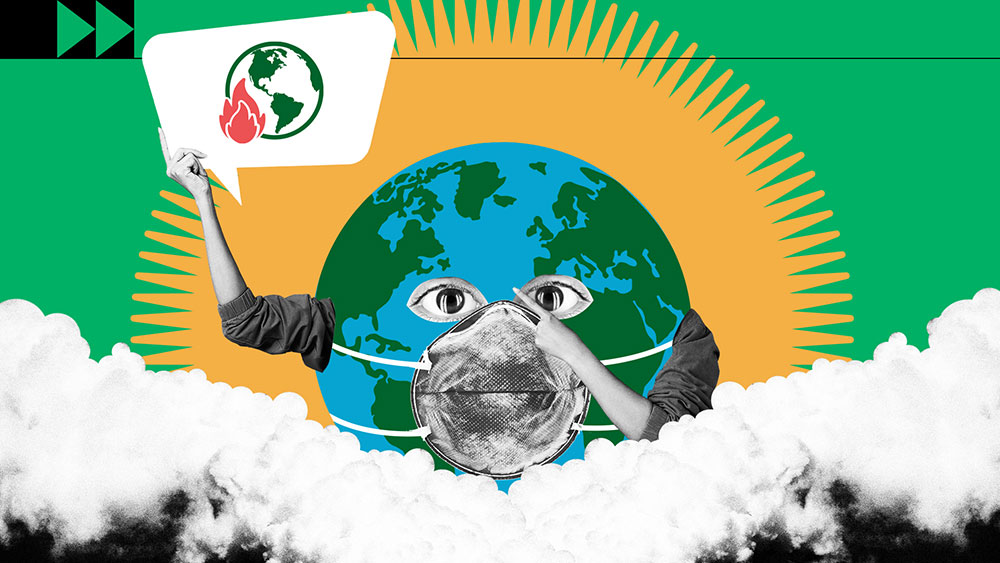
https://www.un.org/en/climatechange/what-is-climate-change
Air Pollution: A Silent Killer Amplified by Climate Change.
Air pollution, responsible for 7 million premature deaths annually, is worsened by climate change. In India, fossil fuel pollution from coal plants and vehicles contributes to 1 in 8 global deaths. Rising temperatures increase ground-level ozone and particulate matter, triggering asthma, heart disease, and lung cancer. The WHO reported in 2023 that air pollutants cause significant health burdens, with India’s urban areas like Delhi consistently exceeding WHO air quality guidelines. Climate-driven dust from droughts and heatwaves further degrades air quality, with fine particulate matter linked to cardiovascular diseases and pregnancy complications.
Low-income communities and marginalized groups in India, often living near factories or highways, bear the brunt. Indoor air pollution is equally deadly, with 32% of South Asian deaths linked to burning solid fuels like wood in unventilated homes. In 2023, clean energy adoption reduced air pollution deaths by 7% globally, but India’s reliance on coal-generated electricity hinders progress. The mental health toll is profound, with poor air quality and polluted environments contributing to anxiety and depression, especially in urban slums. For children, exposure to pollutants impairs cognitive development, setting back future generations.
Climate-Sensitive Diseases: A Growing Threat.
Climate change is reshaping the geography of infectious diseases in India, where endemic vector-borne diseases like malaria, dengue, and chikungunya are exacerbated. Warmer temperatures and erratic monsoons expand mosquito ranges, with dengue cases rising due to urbanization and poor sanitation. In 2024, the WHO noted that temperature and precipitation changes enhance vector-borne disease transmission, with India facing high burdens. For example, malaria causes approximately 2 million cases annually in India, with 23% of maternal deaths in some districts linked to malaria during pregnancy, leading to anemia and intrauterine growth restriction.
Waterborne diseases are surging due to floods, intensified by climate change, contaminating drinking water. In India, 2 billion people lack safe drinking water, and 600 million suffer from foodborne illnesses yearly, with children under 5 accounting for 30% of fatalities. The 2004 floods in Bihar and recent cyclones in Orissa highlight this risk, with waterborne pathogens spreading due to damaged infrastructure. Food insecurity, driven by disrupted monsoons, exacerbates malnutrition, with 151 million more people facing moderate or severe food insecurity annually compared to 1981–2010.
Mental Health: The Invisible Burden.
The psychological toll of climate change in India is significant. Extreme weather events—floods, droughts, cyclones—cause trauma, displacement, and loss, leading to depression, anxiety, and PTSD. After the 2004 tsunami and the 1999 Orissa super cyclone, households reported persistent mental health issues. Displaced populations face malnutrition rates up to 50% and PTSD rates of 30–75% among children. Even without displacement, “eco-anxiety” is rising among Indian youth, driven by unpredictable monsoons and heatwaves.
Aligning with Sustainable Development Goals.
The health impacts of climate change in India align with the UN Sustainable Development Goals (SDGs), particularly SDG 3 (Good Health and Well-Being), SDG 13 (Climate Action), and SDG 10 (Reduced Inequalities).
- SDG 3: Good Health and Well-Being
Strengthening India’s health systems is critical. The WHO advocates for climate-resilient health facilities and early warning systems for heatwaves and diseases. India’s National Action Plan on Climate Change includes adaptation measures, but implementation lags in rural areas.
- SDG 13: Climate Action
Reducing emissions yields health co-benefits. Phasing out coal could save lives by cutting air pollution. India’s commitment to 50% non-fossil fuel energy by 2030 is promising, but coal reliance persists. Solar-powered stoves can reduce indoor pollution, supporting climate goals.
- SDG 10: Reduced Inequalities
Climate change hits India’s vulnerable groups hardest—women, children, and low-income communities. Equitable access to cooling centers and clean water is essential. The World Bank estimates climate’s health effects could push 44 million into poverty by 2030, underscoring inclusive policies.
Current Statistics and Projections.
- Heat-Related Illnesses: India saw a 47–58% increase in heatwave days for vulnerable groups since the 1990s. By 2050, heatwaves could drive significant economic losses.[
- Air Pollution: 7 million premature deaths yearly, with India’s coal reliance causing 1 in 8 global deaths. Clean energy reduced deaths by 7% in 2023.
- Climate-Sensitive Diseases: Malaria affects 2 million annually in India, with rising dengue cases. Flood-related waterborne diseases impact 2 billion lacking safe water.
- Economic Costs: Climate-induced health impacts could cost India $21 trillion by 2050, or 1.3% of GDP. Direct health costs may reach $2–4 billion annually by 2030.
A Way Forward.
Lakshmi’s collapse in Mumbai reflects a broader crisis. India’s health systems need climate-resilient infrastructure, like solar-powered hospitals and heatwave-ready wards. Communities require cooling centers, clean water, and early warning systems. Education is vital—integrating climate health into medical curricula, as seen in U.S. programs, is a model India could adopt. Individuals can choose sustainable transport and support local agriculture to cut emissions. Advocacy, led by youth, is crucial for SDG progress.
Conclusion.
Climate change is India’s greatest health threat, but it’s also an opportunity for a healthier, fairer future. From heatwaves to air pollution and diseases, the stakes are human. By aligning with SDGs, investing in resilient systems, and prioritizing equity, India can protect millions like Lakshmi. The science is clear: acting now saves lives and secures a sustainable future. The question isn’t whether India can afford to change or not.
References
- – Climate Impacts on Human Health | Climate Change Impacts | US EPA
- – Climate Change and Health – PAHO/WHO | Pan American Health Organization
- – Climate change – https://www.who.int/news-room/fact-sheets/detail/climate-change-and-healthwww.who.int (2024-12-23)
- – Climate Change Impacts on Health US EPA
About The Author


