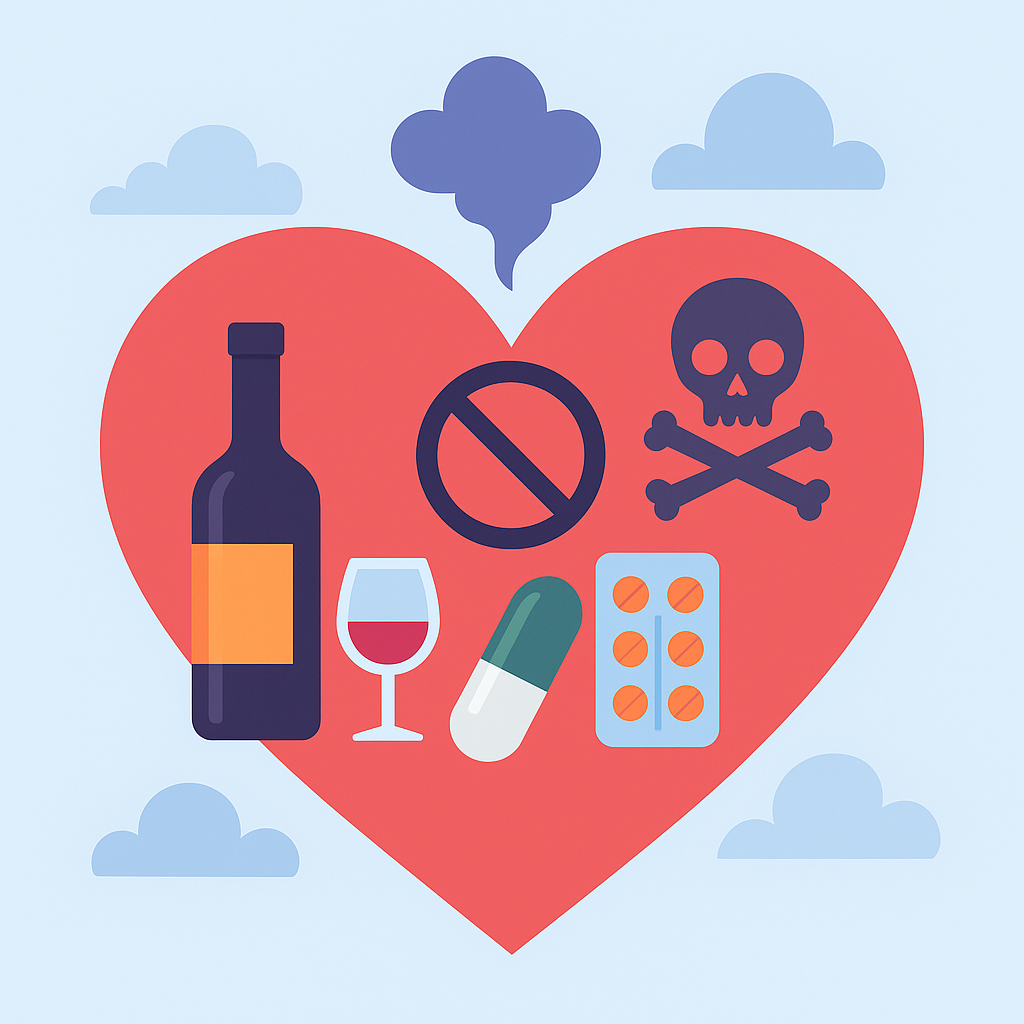
Substance Use Disorder (SUD) has emerged as one of the most serious public health challenges of the 21st century. Across the world, millions of individuals, families, and communities are affected by the devastating consequences of drug and alcohol addiction. Once considered a social or moral issue, substance use disorder is now recognized by the World Health Organization (WHO) and global health agencies as a chronic medical condition that requires long-term treatment, rehabilitation, and social support, just like diabetes or hypertension.
The term substance use disorder refers to the harmful and dependency-driven use of addictive substances such as alcohol, tobacco, cannabis, opioids, sedatives, prescription drugs, inhalants, synthetic drugs, and psychoactive chemicals. It affects physical health, mental well-being, family relationships, workplace productivity, and social functioning, eventually leading to severe disability or premature death if left untreated.
Why Substance Use Disorder is Becoming a Global Health Pandemic.
The rise of substance use disorder worldwide is alarming. The United Nations World Drug Report suggests that global drug use has increased significantly in the last decade, and more than 296 million people worldwide used drugs at least once in the past year. Among them, a growing number progress to addiction and require treatment services that are often insufficient, unaffordable, or stigmatized.
Several interlinked factors explain why substance use disorder has now reached pandemic proportions:
1. Easy Accessibility and Globalization
With increased transportation networks, online markets, illegal drug trafficking routes, and social networking platforms, access to substances has become easier than ever. Synthetic and chemical-based drugs such as methamphetamine, fentanyl, and designer opioids can be manufactured cheaply and distributed widely, increasing harmful use.
2. Stress and Mental Health Crisis
Increasing mental health challenges globally, such as anxiety, depression, loneliness, trauma, academic pressure, unemployment, and workplace burnout, have resulted in many individuals turning to substances as a coping mechanism. The COVID-19 pandemic worsened this situation, causing a spike in alcohol and drug consumption.
3. Peer Pressure and Youth Vulnerability
Curiosity, social acceptance, peer pressure, and lifestyle influence make adolescents and young adults the most vulnerable group. Experiments intended to be occasional may evolve into dependency if not identified early.
4. Lack of Awareness and Stigma
Many do not recognize early addiction symptoms or do not seek help due to guilt, embarrassment, or social stigma. Families often remain silent rather than seeking counselling or treatment.
5. Limited Access to Treatment
In many regions, predominantly rural and economically backward communities, treatment centres, rehabilitation programs, and mental-health experts are limited. The gap between those who require treatment and those who actually receive it remains extremely wide.
Because of these reasons, substance use disorder has become a global crisis comparable to pandemics, requiring international collaboration, nationwide policies, and intensive community engagement.
The Indian Scenario: Government Initiatives and Schemes Against Substance Abuse.
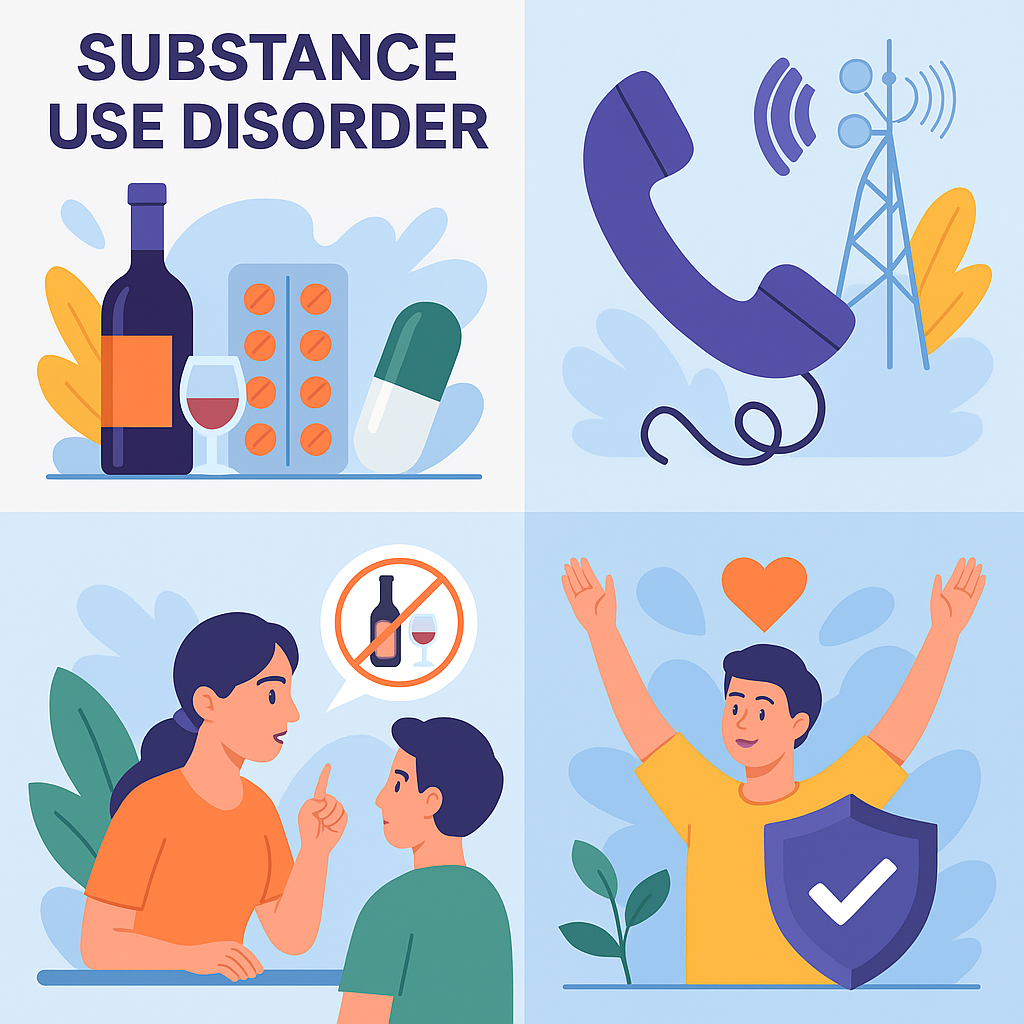
India, with its large youth population, is significantly affected by drug and alcohol misuse. The Ministry of Social Justice & Empowerment (MoSJE) is the nodal authority responsible for controlling drug demand and supporting treatment and rehabilitation. India has launched major national campaigns and policy actions against substance use disorder.
National Action Plan for Drug Demand Reduction (NAPDDR).
NAPDDR is a comprehensive national initiative focusing on prevention, awareness, early identification, counseling, treatment, and rehabilitation. Key components include:
- Establishing and strengthening de-addiction and rehabilitation centres
- Community outreach and awareness programs
- Training of counsellors, therapists, social workers, and NGOs
- Special focus on youth, school, and college programs
- Support for Outpatient and Inpatient treatment facilities
- Funding nonprofit organizations working in drug treatment
Nasha Mukt Bharat Abhiyaan (NMBA).
Launched on 15 August 2020, initially covering 272 vulnerable districts and now expanded nationwide, this campaign focuses on:
- Public awareness and mass-movement-based intervention
- Youth mobilization through schools, colleges, NSS, NYKS, NCC
- Community identification of substance users
- Peer-led engagement and counselling
- Linking individuals to treatment facilities
- Participation of district administration, NGOs, and law enforcement
Toll-Free Helpline Numbers for De-Addiction Support.
The government has dedicated 24×7 helplines for immediate assistance:
- National Drug De-Addiction Helpline: 1800-11-0031
- NMBA Support Helpline: 14446
These helplines offer free anonymous counselling, referral support, and psychological guidance.
Why Immediate Action is Needed.
The impact of substance use disorder is not limited to health outcomes. It weakens social structure, destroys family relationships, increases domestic violence, drives youth toward crime, reduces workplace productivity, and increases the financial and legal burden on society. Children in families with addiction are more vulnerable to academic failure and emotional trauma. This makes SUD not just a health problem, but a social, economic, and generational challenge.
Strategies and Solutions to Mitigate Substance Use Disorder.
1. Awareness and Education
Public awareness is the strongest tool in drug abuse prevention. Schools, colleges, workplaces, and community platforms must include educational sessions on the dangers of drug and alcohol addiction. Awareness reduces misinformation and encourages open discussion before addiction takes root.
2. Early Identification and Counselling
Warning signs such as withdrawal from family, sudden changes in behaviour, loss of interest in studies or work, and unexplained financial needs must be recognized early. Counselling and psychological support at the initial stage can prevent long-term dependency.
3. Family and Community Support
Families must listen and support rather than punish or shame. Social support networks and peer groups are essential elements of recovery.
4. Accessible Treatment and Rehabilitation
Addiction is a medical condition and requires structured treatment, including medical detoxification, psychiatric care, therapy, skill training, and social reintegration. Rehabilitation should focus on rebuilding life rather than punishment.
5. Mental Health Integration
Mental health services must be integrated with addiction treatment. Schools and workplaces should include mental-wellness programs.
6. Law Enforcement and Policy Regulation
Strong laws against drug trafficking, illegal pharmacies, and synthetic drug manufacturers are necessary. Enforcement must work alongside medical and social rehabilitation.
7. Reintegration and Livelihood Support
Individuals who recover often face discrimination. Employment support, vocational training, and acceptance within society help prevent relapse.
Substance Use Disorder is a growing global challenge, rapidly expanding due to stress, social change, and increased access to addictive substances. But it is not irreversible. When society treats addiction as a medical and psychological condition rather than a moral failure, individuals can recover and rebuild meaningful lives. Government policies like NAPDDR and Nasha Mukt Bharat Abhiyaan, combined with toll-free helplines 1800-11-0031 and 14446, provide hope and resources to those struggling with addiction.
The fight against substance use disorder requires collective responsibility. Families must talk openly, communities must support prevention, institutions must educate, enforcement must control supply, and governments must strengthen rehabilitation systems. Every individual has a role.
A healthier, safer future depends on how strongly and sensitively we act today.
About The Author


