
Healthcare today is evolving beyond its traditional boundaries of diagnosis, prescriptions, technology, and surgical expertise. The contemporary medical field recognizes that a patient is not only a clinical case but a human being with emotions, beliefs, social identity, cultural background, fears, expectations, and personal life experiences. A purely biomedical approach may treat the disease, but a humanistic approach treats the person. This fundamental shift highlights the growing importance of Health Humanities and Social Sciences in delivering superior patient outcomes.
Health Humanities is an interdisciplinary field that integrates psychology, sociology, anthropology, ethics, history, literature, communication studies, narrative medicine, philosophy, and the arts. These domains help healthcare professionals develop empathy, emotional intelligence, communication competence, ethical sensitivity, and cultural understanding, which are essential for patient-centered care.
As healthcare systems transition toward value-based care models, patient satisfaction, emotional well-being, ethical safety, and quality communication are becoming critical indicators of success. Thus, the integration of humanities and social sciences is not an academic luxury but a practical necessity for improved clinical performance.
Why Health Humanities Matter in Clinical Practice.
Medicine Treats Diseases, Humanities Treat People.
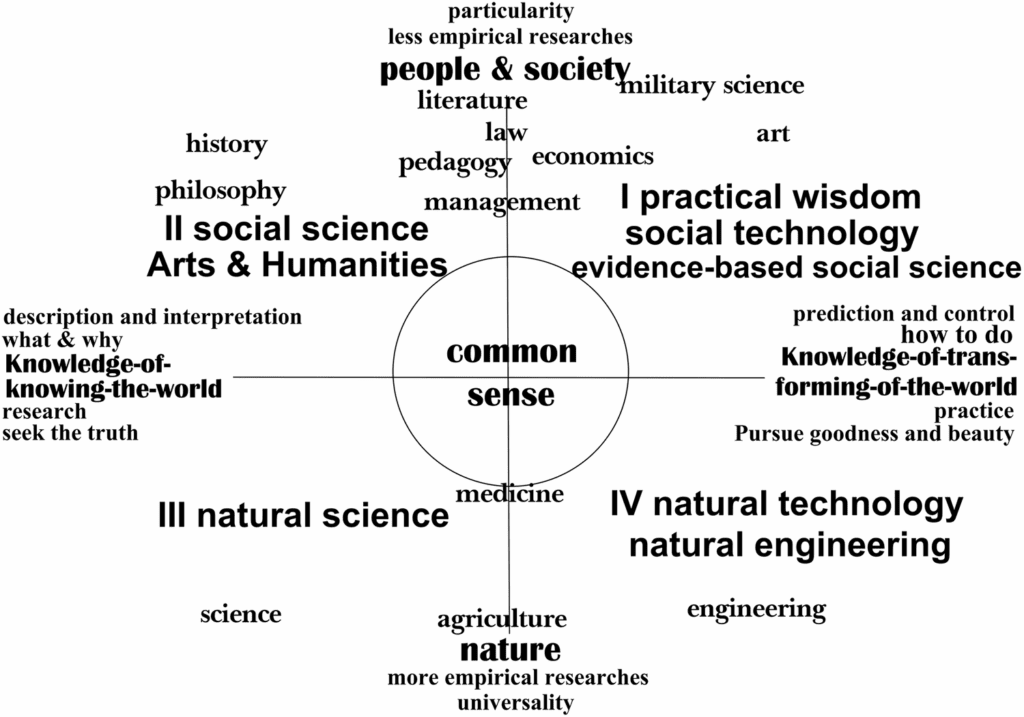
Traditional medical training emphasizes pathology, physiology, diagnostics, and pharmacology, answering the question: What is wrong with the body? However, it often overlooks the equally important question: What is happening in this person’s life?
For example, a patient living with diabetes or hypertension may struggle with treatment adherence due to issues unrelated to biology, such as stress, financial limitations, cultural habits, lack of family support, mental health factors, or health illiteracy. By applying social sciences and psychological insights, healthcare providers can identify these barriers and implement solutions that lead to more effective outcomes.
Humanities, therefore, bridge the gap between clinical knowledge and humane medical practice.
Role of Psychology in Better Patient Outcomes.
Improved Recovery and Treatment Adherence.
Psychological support during medical treatment has been shown to enhance recovery rates. Patients who receive psychological counselling or behavioural therapy show:
- Lower hospital readmission rates
- Better pain management
- Reduced anxiety, fear, and pre-operative stress
- Improved motivation and treatment adherence
Emotional distress increases cortisol levels, suppresses immunity, and negatively affects healing, especially in chronic illnesses such as cancer, cardiac disease, renal failure, and autoimmune disorders. Integrating psychological care through cognitive-behavioural therapy (CBT), mindfulness-based interventions, and structured counselling significantly improves clinical outcomes.
Strengthening the Doctor-Patient Relationship.
Adequate medical care is built on trust. When patients feel heard, respected, and emotionally supported, they are more likely to share correct information, follow instructions, and participate actively in decision-making. Psychological understanding enables doctors to manage sensitive conversations, deliver difficult news compassionately, and reduce patient resistance or fear.
Role of Sociology in Healthcare.
Understanding Social Determinants of Health.
Social factors beyond the hospital environment strongly influence health outcomes. Education, employment status, economic conditions, community safety, family structures, lifestyle patterns, cultural beliefs, and social inequalities all contribute significantly to a patient’s health.
For instance, vaccine hesitancy is not always due to a lack of scientific understanding; often it arises from mistrust, misinformation, religious influences, or cultural history. Medical sociology equips healthcare professionals to comprehend these complex influences and design culturally appropriate interventions.
Applications of Medical Sociology.
- Identifying patterns of disease in communities
- Designing effective public health and preventive programs
- Addressing health disparities and inequities
- Improving policy and community-based healthcare planning
- Enhancing patient engagement and awareness
The COVID-19 pandemic demonstrated that countries with strong sociological strategies, community education, behavioural change communication, and social support systems managed healthcare delivery more effectively.
Role of Anthropology in Medicine.
Medical anthropology studies how different cultures interpret illness, healing, suffering, and treatment. Healthcare providers frequently encounter patients whose belief systems influence their response to modern medical care.
Examples include:
- Preference for traditional or home remedies
- Religious or spiritual interpretations of illness
- Stigma surrounding mental health disorders
- Cultural expectations around childbirth or death
Integrating anthropological understanding allows clinicians to respect cultural diversity, reduce conflict, prevent miscommunication, and build partnerships with communities. It supports community-based healthcare, improving acceptance and long-term changes in health behaviour.
Ethics and Value-Based Clinical Decision-Making.
Modern medical practice often requires decisions with psychological, legal, and social implications, especially in cases involving end-of-life care, organ donation, reproductive rights, genetic testing results, patient confidentiality, and the increasing use of artificial intelligence in healthcare.
Clinical ethics provides a structured framework based on:
- Autonomy (respecting patient choice)
- Beneficence (acting for benefit)
- Non-maleficence (avoiding harm)
- Justice (fairness and equity)
Ethical competence strengthens trust in healthcare systems, ensures legal safety, maintains professional accountability, and protects patient dignity.
Importance of Communication Studies in Medicine.
Communication is central to safe and effective clinical practice. Research consistently shows that nearly 70 percent of medical errors and medico-legal conflicts arise due to communication failures rather than technical incompetence.
Effective communication enables:
- Clear explanation of diagnosis and treatment plans
- Breaking bad news with sensitivity
- Conflict resolution with patients or attendants
- Handling complaints professionally
- Coordinated teamwork between clinical departments
Hospitals that train their staff in communication skills achieve better patient satisfaction scores, reduced litigation risk, and stronger brand reputation.
Key communication approaches include:
- Active and empathetic listening
- Motivational interviewing
- Shared decision-making
- Observing non-verbal cues
- Emotional regulation skills
Narrative Medicine, Literature, and Arts in Clinical Training.
Narrative medicine emphasizes listening to patient’s stories and understanding their lived experience with illness. Encouraging medical professionals to write reflective journals, read literature, or engage in the arts has been shown to enhance:
- Empathy and compassion
- Emotional resilience
- Observation and diagnostic skills
- Stress management
- Insight into patient psychology
These approaches prevent burnout and reconnect professionals with the human purpose of medicine.
Humanities in Preventing Physician Burnout.
Doctors and nurses face continuous emotional exposure to suffering, loss, and high-pressure decision-making. Healthcare workers are at high risk of burnout, depression, anxiety, and compassion fatigue. Humanities-based training provides coping strategies, support frameworks, and reflection practices that improve emotional stability and job satisfaction.
A healthy doctor leads to safer and more compassionate patient care.
Holistic Patient-Centered Healthcare: A Comparative View.
| Traditional Biomedical Model | Humanistic Model |
| Focus on disease and pathology | Focus on patient experience |
| Standardized treatments | Personalized and contextual care |
| One-way communication | Dialogue and partnership |
| Technical expertise emphasized | Emotional, social and ethical skills integrated |
| Healthcare as a service | Healthcare as a healing process |
Hospitals integrating humanistic models report improved patient loyalty, reduced complaints, and superior clinical outcomes.
Conclusion.
The integration of Health Humanities and Social Sciences into modern medical practice is essential for advancing patient-centered care. While biomedical science identifies and treats disease, the humanities help understand the human being behind the illness. The fields of psychology, sociology, anthropology, ethics, communication studies, and narrative medicine enrich medical education and clinical practice by developing empathy, cultural literacy, ethical reasoning, and emotional intelligence.
A healthcare system that combines scientific precision with human compassion achieves:
- Better recovery and adherence to treatment
- Reduced stress and anxiety for patients
- Enhanced patient-doctor trust
- Balanced and ethical decision-making
- Lower conflict and medico-legal risks
- Improved professional well-being among healthcare providers
The future of medicine will demand not only technological advancement but also emotional intelligence, cultural understanding, communication excellence, and ethical sensitivity. Health Humanities and Social Sciences are therefore foundational to holistic, safe, equitable, and effective modern healthcare.
About The Author


