
Introduction.
Soft skills are increasingly recognized as indispensable to healthcare, profoundly influencing patient experiences, workplace culture, and hospital performance. Attributes such as communication, empathy, and teamwork are not only desirable but also necessary, forming the backbone of safe, efficient, and compassionate care in hospital settings. This comprehensive blog post examines why soft skills are crucial in hospitals, delves into their multifaceted impact, outlines practical ways to nurture them within healthcare teams, and contextualizes their increasing importance in today’s evolving medical landscape.
What Are Soft Skills in Healthcare?
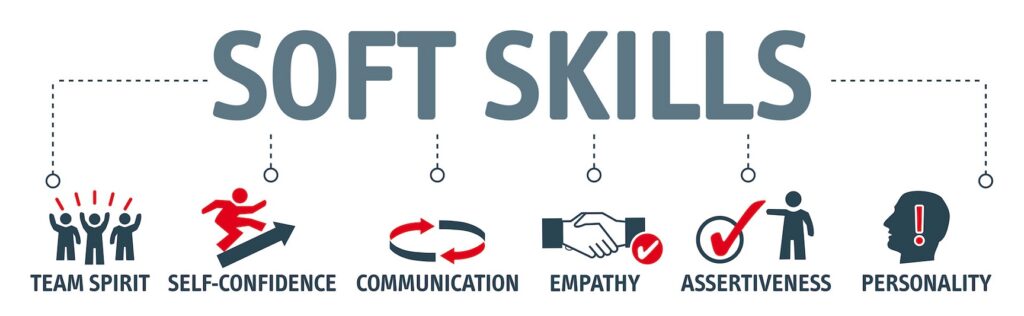
Soft skills in healthcare encompass personality traits and interpersonal attributes that influence the way medical staff interact with patients, families, and one another. Unlike technical expertise, soft skills focus on how one communicates, listens, responds, and collaborates with others.
Key soft skills in hospital settings include:
- Communication
- Empathy
- Teamwork
- Adaptability
- Stress management
- Conflict resolution
- Emotional intelligence
These qualities are foundational to every aspect of healthcare, promoting collaboration, patient trust, and a resilient work environment.
Communication: The Cornerstone of Care.
Effective communication consistently ranks as the most frequently cited soft skill in healthcare literature and practice. In hospital settings, clear communication encompasses:
- Verbal exchanges with patients and families about diagnoses and care plans
- Non-verbal communication, including body language and tone
- Documentation that is accessible and accurate for all team members
Active listening ensures that patients feel heard and validated, allowing them to disclose their symptoms and concerns openly and honestly. Misunderstandings, often the result of poor communication, can lead to critical errors; therefore, strong communication skills help minimize mistakes and foster environments where patients trust the staff’s expertise.
Empathy: Cultivating Compassionate Connections.
Empathy shapes how medical professionals connect with patients, enabling them to see beyond symptoms and fully understand patients’ feelings, fears, and cultural backgrounds. Hospitals can be intimidating, and empathetic professionals play a key role in:
- Reducing anxiety
- Building lasting trust
- Creating safe spaces for emotional healing
Compassion, closely linked to empathy, inspires practical action—guiding patients through procedures, answering questions patiently, and offering comfort during difficult times. Research consistently shows that empathetic care leads to higher patient adherence, better recovery rates, and improved hospital ratings.
Teamwork: Delivering Seamless Healthcare.
Hospitals rely on a multidisciplinary team of physicians, nurses, technicians, and support staff working in tandem. Successful teamwork is characterized by:
- Mutual respect for diverse skills and perspectives
- Collaborative problem-solving
- Clear, respectful delegation of responsibilities
In effective teams, each member’s voice matters, and differences are leveraged to create patient-centered solutions. Interpersonal trust and open feedback loops are crucial for responding promptly to emergencies and ensuring the continuity of care.
Adaptability and Resilience: Navigating Change.
Healthcare environments are often unpredictable, with medical advances, regulatory changes, and emergencies demanding rapid adaptation. Adaptable professionals adjust quickly, maintain patient focus amid stress, and:
- Embrace new technologies and treatment protocols
- Respond confidently to evolving situations or unexpected challenges
- Stay positive and resilient despite setbacks
Resilience and adaptability reduce burnout, ensuring consistent, high-quality care even under pressure.
Conflict Resolution and Problem Solving.
Hospitals are high-pressure settings, where conflicts may arise between professionals or with patients and families. Key soft skills for conflict resolution include:
- Emotional regulation during stressful interactions
- Mediation skills for resolving disagreements
- Creative problem-solving to address patient and organizational needs
Constructive conflict resolution preserves team morale, supports patient well-being, and prevents escalation that could jeopardize hospital operations.
Emotional Intelligence: Building Relationships.
Emotional intelligence enables healthcare staff to recognize their own emotions and the feelings of others. By practicing self-awareness, professionals can moderate reactions, offer measured support, and sustain balanced relationships with patients and colleagues.
Staff who demonstrate high emotional intelligence are more approachable, more effective at managing stress or crises, and better equipped to deliver holistic care.
Impact on Patient Outcomes and Hospital Reputation.
Incorporating soft skills into daily hospital practice yields significant benefits for patients and institutions. Enhanced patient experiences stem from:
- Patients feel respected and understood
- Better compliance with treatments and prescriptions
- Higher satisfaction scores, which directly affect hospital reputation and funding
Hospitals that excel in soft skills training report lower rates of medical errors, better teamwork, fewer conflicts, and more resilient teams.
The Patient Perspective.
Patients evaluate hospitals not only by their medical expertise but also by how they are treated. Words like communication, empathy, and teamwork consistently appear in patient reviews describing positive experiences. Satisfied patients become ambassadors, sharing their stories willingly and boosting the hospital community’s standing.
Staff Well-being and Motivation.
Healthcare work is demanding. Staff who cultivate soft skills experience:
- Reduced stress and burnout
- Higher job satisfaction
- Better relationships with colleagues
Hospitals that focus on developing soft skills retain staff longer and attract top-tier professionals eager to work in a supportive and collaborative environment.
Strategies for Building Soft Skills in Hospitals.
The most successful hospitals invest in long-term, structured programs to foster soft skills across all departments.
Training and development strategies include:
- Regular workshops on communication, conflict resolution, and teamwork
- Simulation-based learning to mirror real-world clinical scenarios
- Role-playing focused on handling sensitive patient conversations
- Mentorship and feedback systems where staff can grow from experienced guidance
- Online learning platforms that integrate flexible, interactive modules
Leadership teams should regularly assess soft skills as part of performance reviews, supporting a culture that continuously seeks improvement.
The Role of Soft Skills in Technology and Telemedicine.
Digital transformation and telehealth have made soft skills more important than ever. In remote interactions, healthcare providers must use clear communication and empathy to overcome barriers posed by screens or technical issues.
Patient-centered care remains possible with:
- Thoughtful, clear explanations via teleconsultation
- Active listening, even without visual cues
- Emotional support through virtual platforms
A strong foundation in soft skills ensures the delivery of quality care in both physical and digital hospital environments.
The Future of Soft Skills in Healthcare.
As healthcare evolves, future hospitals will need to place even greater emphasis on soft skills to maintain high standards of care, adapt to new challenges, and support increasingly diverse patient populations. These abilities are not simply add-ons; they are strategic assets that shape excellent care, team resilience, and ongoing hospital improvement.
Hospitals should encourage lifelong learning, provide resources for staff to grow, and celebrate achievements in soft skill excellence as they would clinical milestones.
References
- https://carrington.edu/blog/top-10-soft-skills-needed-health-care/
- https://www.hipeople.io/blog/soft-skills-healthcare-professionals
- https://www.thrivingsprings.ai/blog/lms-for-healthcare-a-comprehensive-guide-for-2025
- https://calibr.ai/blogs/top-10-essential-soft-skills-every-healthcare-professional-need
- https://uk.hfonline.org/the-importance-of-soft-skills-in-health-and-social-care-training/
About The Author


