
Table of Contents
Unlocking Early Disease Detection and Precision Medicine for the Future
Artificial intelligence (AI) and machine learning (ML) are revolutionizing healthcare, specifically in diagnostics. With better accuracy, lower costs, and an ability to make early disease detections, AI in diagnostics is redefining how clinicians approach diagnosis and the treatment of disease. According to a recent report by Grand View Research, the global AI in healthcare market is expected to reach $187.95 billion by 2030, growing at an annual rate of 37%. This rapid growth reflects the immense potential of AI in transforming diagnostics.
Picture an AI algorithm better than an experienced radiologist to detect a tumor on an MRI scan, or the same to identify the first signs of diabetic retinopathy from a retinal image within seconds. The capabilities above are not from some science fiction scenario; they’re happening today and are reshaping diagnostics with patient outcomes everywhere.
Understanding AI and Machine Learning in Healthcare
Before delving into specific applications, it is important to understand how AI and machine learning work in the context of healthcare diagnostics.
What is AI in Diagnostics?
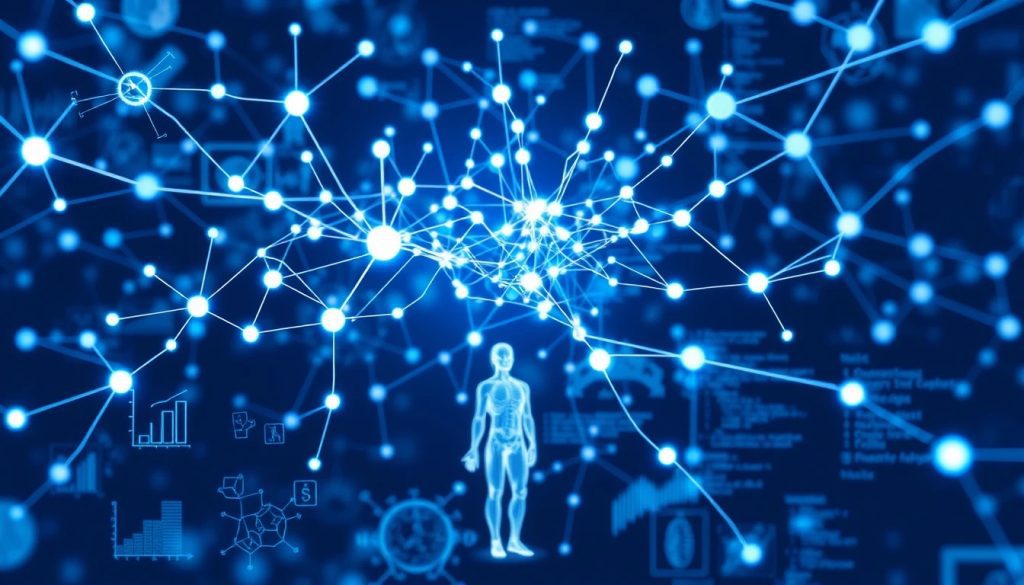
Artificial intelligence refers to computer systems that can simulate human capabilities, namely the cognitive processes. In diagnostics, AI applications analyze large amounts of data—medical images, electronic health records, and pathology slides—looking for patterns that may have escaped human observation. Machine learning is a type of AI that relies on statistical models to enhance its quality over time through learning from the data.
Key Concepts Explained
- Machine Learning (ML): Algorithms that learn based on data. In health care, predictions of diseases, detection of abnormalities from images, and personalized treatment recommendations can be made through ML models.
- Deep Learning: A type of machine learning which merely mimics the networks in the human brain. Deep learning is found to recognize images and speech most proficiently, making it useful when analyzing highly complex medical images like MRIs or CT scans.
- Neural Networks: A series of algorithms that can learn or recognize patterns. In diagnosis, neural networks energize a large number of diagnostic appliances like ‘recognizing malignant cells, fractures in X-rays or heart arrhythmias from ECG data’.
Applications of AI in Diagnostic
AI-based diagnostics is being applied in various specialties, from radiology and pathology to chronic disease management.
- Radiology and Medical Imaging Radiology
- It is one of the most advanced fields for AI adoption. Medical imaging generates vast amounts of data, more than any human could analyze in a reasonable timeframe. AI algorithms excel at processing this data, identifying abnormalities, and aiding radiologists in making faster, more accurate diagnoses.
- Examples of AI in Radiology:
- Tumor Detection: AI can identify tumors in MRI, CT, and PET scans with impressive accuracy. For example, AI algorithms have demonstrated the ability to detect early-stage lung cancer nodules better than human radiologists.
- Fracture Diagnosis: AI can quickly detect bone fractures in X-rays, particularly in emergency settings where timely diagnosis is critical.
- Brain Imaging: Deep learning models help detect strokes, hemorrhages, and degenerative diseases like Alzheimer’s by analyzing brain scans.
- Pathology and Laboratory Diagnostics In pathology:
- AI is transforming how tissue samples and lab tests are analyzed. Digital pathology solutions powered by AI can scan slides for cancerous cells, improving diagnostic speed and consistency.
- Key Innovations:
- Cancer Detection: AI models identify cancerous patterns in histopathological images with remarkable precision, reducing diagnostic variability among pathologists.
- Blood Test Analysis: AI is assisting in automating and enriching the interpretation of blood test results, flagging abnormal tests warranting further investigation.
- Early Detection of Chronic Diseases:
- AI is superb in identifying subtle patterns that may indicate early stage disease, enabling intervention before it’s too late and therefore improving health outcomes.
- Chronic Diseases Targeted by AI:
- Cancer: AI is changing the landscape of cancer detection. Google’s DeepMind, for example, has developed AI systems that are better at identifying breast cancer in mammograms than human radiologists, with fewer false positives.
- Cardiovascular Disease: AI analysis of ECGs can identify atrial fibrillation and other heart anomalies early, which may prevent strokes and other complications. Diabetes and
- Retinopathy: AI algorithms analyze retinal images to detect diabetic retinopathy in its earliest stages, potentially preventing blindness.
Case Studies and Success Stories
- Detection of Lung Cancer by AI (Google’s DeepMind) DeepMind recently designed an AI model that is able to diagnose early-stage lung cancer nodules on CT scans with a success rate of 94%. It helps avoid any kind of mistake in diagnosis, thus giving early treatment to patients.
- IDx-DR: First FDA Approved Diagnostic AI Tool IDx-DR is an FDA-approved AI-based system for the detection of diabetic retinopathy from retinal images. This allows clinicians to utilize the tool independently, without specialist input, and significantly increases the accessibility of early diagnosis and treatment for diabetic patients.
- Cardiologs for ECG Interpretation Cardiologs is a deep learning-based ECG analysis tool that has improved the detection of cardiac arrhythmias, reduced diagnostic errors, and helped cardiologists prioritize high-risk patients.
Benefits and Challenges of AI in Diagnostics
Benefits
- Improved Accuracy: AI minimizes diagnostic errors in areas with excessive human variability, including radiology and pathology.
- Speed and Efficiency: AI processes huge amounts of data in a matter of seconds, which accelerates decisions.
- Cost Savings: Automation of routine tasks saves operational costs and frees up specialists for more complex work.
- Early Disease Detection: AI can detect diseases at their earliest stages, leading to better patient outcomes and minimizing the long-term burden on healthcare systems.
Challenges
- Bias in AI Models: AI systems trained on biased datasets may lead to unequal outcomes, especially for underrepresented patient groups.
- Data Privacy and Security: Handling sensitive health data raises privacy concerns and requires robust cybersecurity measures and compliance with regulations like HIPAA.
- Regulatory Challenges: AI-based diagnostic devices face strict regulatory requirements, which are likely to hinder innovation and implementation.
- Interoperability with Clinical Workflow: AI systems must be integrated in a seamless manner into the current clinical workflow without disturbing patient care.
Future Trends in AI Diagnostics
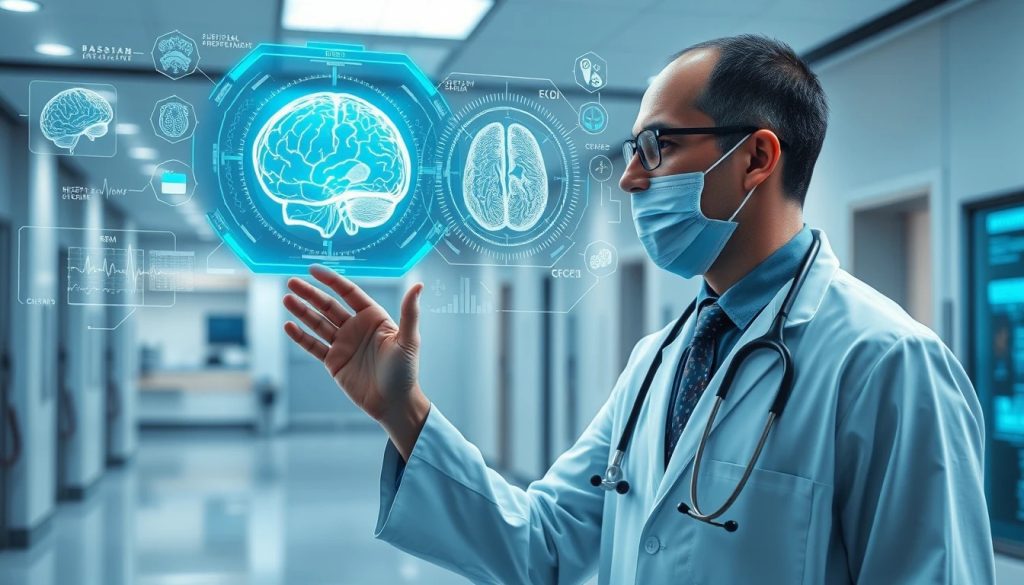
Several emerging trends and innovations will characterize the future of diagnostics as AI technology continues to evolve.
- Precision Medicine and Genomics
- AI will be a significant part of precision medicine, processing genomic data to predict individual risks of disease and provide personalized treatment recommendations.
- NLP for EHR Analysis
- NLP algorithms will extract actionable insights from unstructured data in electronic health records to help clinicians identify patterns that might lead to earlier diagnoses.
- AI-Powered Wearable
- Wearable devices will have AI-based sensors to track real-time patients’ vital signs and warn of early signs of chronic illness, such as heart disease and diabetes.
- AI-Human Collaboration
- Artificial intelligence systems will be used in more collaborative diagnostics: the supportive role of AI is in providing a tool to help clinicians while avoiding the replacement of the clinicians’ expertise.
Conclusion: A New Age in Diagnostics
AI and machine learning are reshaping diagnostics; they are faster, less expensive, and more accurate, resulting in better patient outcomes. From early detection of cancer to heart disease prediction by wearable devices, the scope for AI-led diagnostics is quite vast. But these are challenges, related issues such as bias, data security, and clinical integration that hold back this immense scope.
As AI technologies continue to advance, they will play a pivotal role in defining the future of healthcare, a new era of precision medicine and early disease detection. Now is the time for medical professionals, healthcare executives, and innovators to embrace AI and unlock its transformative power.
About The Author


