Every year in India, thousands of patients wait for a life-saving organ transplant. For many, it is their only hope. Yet the number of organ donors in our country remains critically low. India performs thousands of transplants annually, but most kidney and liver donations come from living relatives. Deceased organ donation, which can save multiple lives at once, remains limited. Recent national data indicate that India reports approximately 1,000–1,200 deceased organ donors per year, corresponding to less than 1 donor per million population. In comparison, several developed nations report donation rates above 20–30 per million.
At the same time, the demand is overwhelming. Over 2 lakh patients require kidney transplants annually. Nearly 50,000 patients need liver transplants. Thousands await heart and lung transplants. The gap between need and availability is vast, and many patients die while waiting. These figures reflect a persistent structural and social challenge: the healthcare system can perform complex transplants, but the availability of organs continues to limit outcomes.
Organ donation in India is governed by the Transplantation of Human Organs and Tissues Act (THOTA), which legally recognizes brainstem death and strictly regulates organ retrieval and transplantation. The national coordination body, the National Organ and Tissue Transplant Organization (NOTTO), manages waiting lists and allocation to ensure fairness and transparency. Safeguards are strong. Organ trade is illegal. The system is structured and ethical. Despite this, donation rates remain low, indicating that legislation and medical infrastructure alone are not sufficient.
The primary barriers are rooted in awareness, understanding, and communication. Many families remain unfamiliar with the concept of brain death. Brain death refers to the irreversible cessation of all brain functions. Even when machines temporarily maintain heartbeat and breathing, the person is legally deceased. Organ donation is considered only after rigorous certification by an independent medical board and only with family consent. However, when families encounter this diagnosis without prior knowledge, emotional distress and uncertainty often complicate timely decision-making.
Concerns and hesitations often arise at the most difficult moments when families are processing a sudden loss. Without an adequate understanding of medical definitions and procedures, organ donation discussions may feel overwhelming. This underscores the importance of sustained public education that explains brain death, ethical safeguards, and the life-saving potential of donation in a clear and sensitive manner.
In India, family consent is essential. Even when individuals pledge to donate their organs, the final decision rests with loved ones. This makes prior conversations within families critically important. When relatives are aware of a person’s wishes, decisions are more likely to be informed, confident, and aligned with the donor’s intent. In the absence of such discussions, uncertainty often leads to refusal.
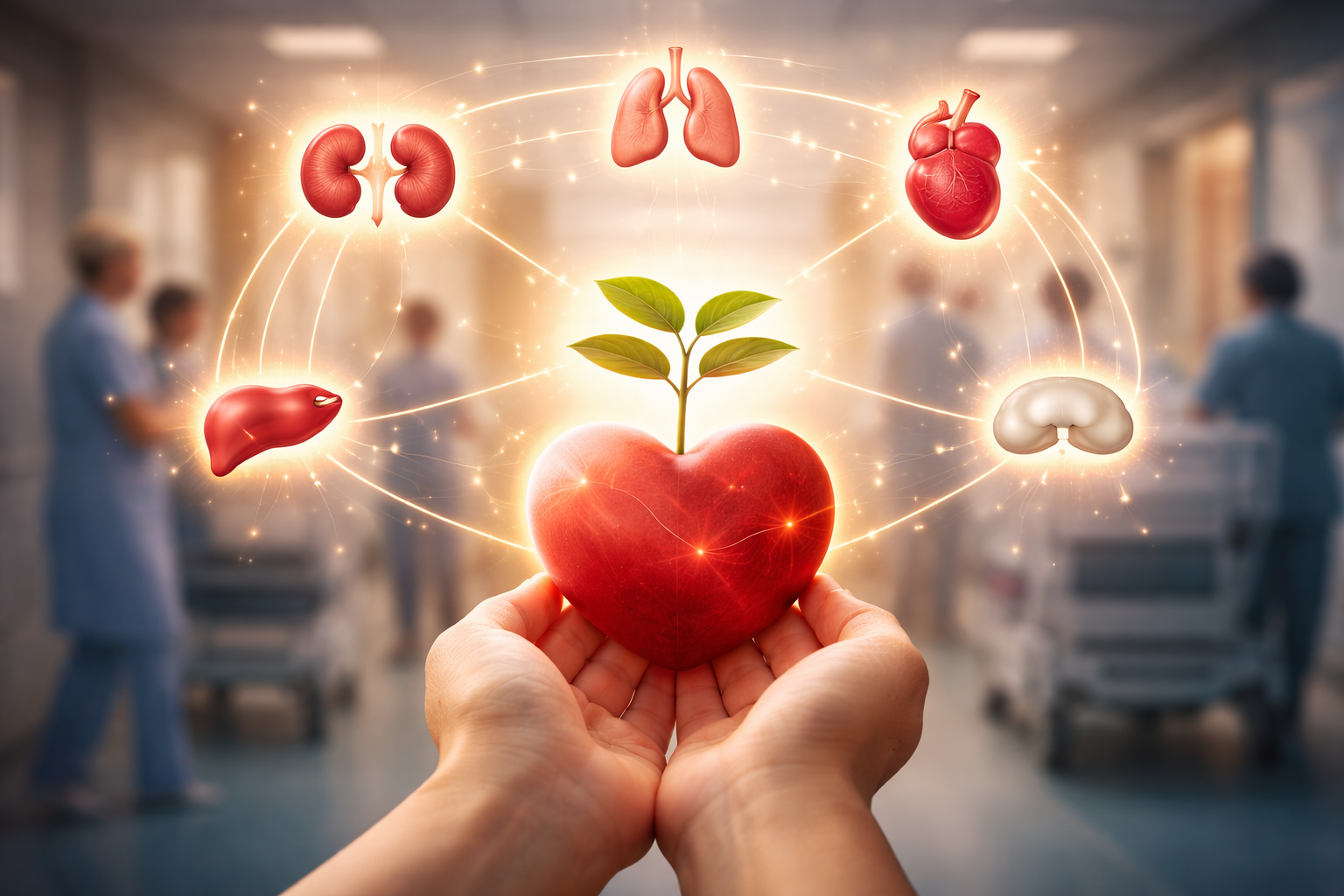
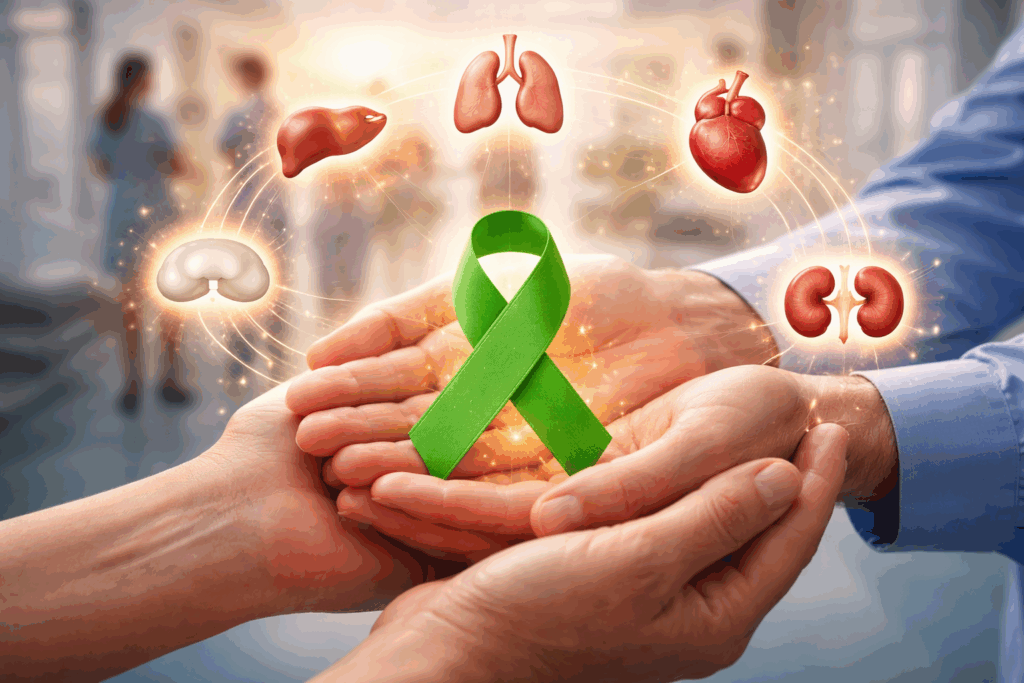
One deceased donor can save up to eight lives through the donation of kidneys, liver, heart, lungs, and pancreas. Tissue donation, including corneas, can restore sight and significantly improve the quality of life. The impact of a single donor extends far beyond one recipient, influencing multiple families and communities. Patients who receive transplants often regain health, independence, and productivity, reducing long-term medical burdens.
India’s transplant ecosystem has achieved remarkable clinical success. Surgeons, anesthesiologists, intensivists, nurses, and transplant coordinators work in advanced hospitals that perform highly complex procedures. Outcomes have steadily improved due to better surgical techniques, immunosuppressive therapies, and post-transplant care. Yet the shortage of deceased donors continues to restrict the full potential of this progress.
Strengthening organ donation requires coordinated efforts at multiple levels. Public awareness initiatives must move beyond sporadic campaigns toward continuous engagement through education systems, community platforms, and digital media. An accurate understanding of brain death and donation processes can reduce fear and hesitation. Hospitals require well-trained transplant coordinators and standardized protocols to identify potential donors early. Efficient certification and retrieval systems are essential to prevent the loss of viable organs.
Equally important is fostering a culture of open discussion. Conversations about organ donation should not be delayed until crisis situations. Normalizing these discussions within families can transform decision-making during emotionally charged moments. When donation becomes part of routine social dialogue, it reduces stigma and increases societal acceptance.
Organ failure does not discriminate. It can affect individuals across age groups and socioeconomic backgrounds. Chronic diseases, genetic conditions, infections, and traumatic injuries all contribute to end-stage organ failure. The patient waiting for a transplant may be a child, a young professional, or an elderly parent. This shared vulnerability highlights the collective responsibility to address the donation gap.
Organ donation costs nothing. It does not harm the donor. It operates within strict legal and ethical oversight. Yet it offers recipients renewed life, improved health, and restored hope. Few acts have such a profound and measurable impact.
In moments of tragedy, some families choose generosity, enabling others to continue living. These decisions represent extraordinary courage and compassion. If more individuals make their wishes known in advance and more families feel empowered to consent, India can significantly improve its donation rates.
Key Considerations for Advancing Organ Donation
1. The Expanding Medical Need
- Rising incidence of kidney, liver, heart, and lung failure
- Increasing transplant waitlists
2. The Critical Role of Deceased Donation
- Only source for certain vital organs
- Potential to save multiple lives per donor
3. A Strong Regulatory Framework
- Brainstem death legally recognized under THOTA
- Ethical safeguards and prohibition of organ trade
4. National Coordination Through NOTTO
- Transparent waiting lists
- Fair organ allocation
5. Awareness as the Central Challenge
- Limited public understanding of brain death
- Emotional difficulty during end-of-life decisions
6. Family Discussions as a Decisive Factor
- Consent dependent on relatives
- Prior communication improves decision confidence
7. Institutional Strengthening
- Trained transplant coordinators
- Early donor identification systems
India stands at an important crossroads. The nation has the expertise, infrastructure, and legal safeguards necessary to expand transplantation. What remains essential is broader public understanding, institutional coordination, and social participation.
One donor can save eight lives.
One informed family can enable that donor.
One decision can convert loss into legacy.
About The Author


