

Table of Contents
Introduction
The Indian healthcare industry is rapidly digitizing, transforming the delivery and management of medical care. Let’s discuss in this article the landspaing of cybersecurity in healthcare. With growing use of electronic health records (EHRs), telemedicine systems, cloud-based healthcare systems, and Internet of Things (IoT) medical equipment, hospitals and clinics today are more networked than before. The technologies have considerably enhanced patient care, making healthcare services more efficient, accessible, and data-centric.
But this online revolution has also opened the healthcare sector to increasing cybersecurity threats. Hospitals, diagnostic centers, and telemedicine providers are being attacked by cybercriminals who intend to take advantage of loopholes in their internet-based systems. Advanced attacks, like the ransomware attack on AIIMS Delhi in 2022, have highlighted the need for strong cybersecurity measures to secure sensitive patient information, medical histories, and hospital operations.
With an increase in cyberattacks on healthcare centers, maintaining the confidentiality, integrity, and availability of patient data is now imperative. This article discusses India’s biggest healthcare sector cybersecurity threats and the advanced technology employed to secure patient data. With information on these challenges and solutions, healthcare professionals can be proactive in enhancing cybersecurity in centers and creating a secure digital health environment.
Why Cybersecurity in Healthcare Matters?
Protecting patient data is of top priority in today’s digital healthcare age. Personal and sensitive data such as Aadhaar data, medical history, medication, and insurance details are contained in medical records. Ensuring the confidentiality, integrity, and availability (CIA) of this data is necessary to provide genuine and safe healthcare services.
Threats Caused by Data Compromise
Identity Theft & Medical Scam
Cybercriminals use stolen medical records for identity theft, insurance fraud, and black-market sales. Aadhaar-linked medical records in India are especially at risk, resulting in fake medical claims or impersonation at hospitals.
Financial Losses to Hospitals
Cyberattacks cause hospital operations to be disrupted, resulting in delay in patient treatment, system downtime, and ransom payments. The cost of recovering from an attack—IT repairs, data recovery, and legal fines—can immobilize healthcare institutions.
Erosion of Patient Trust
Patients rely on hospitals to safeguard their personal health information. A data breach can result in loss of confidence, deterring people from seeking medical treatment due to privacy issues.
Legal & Compliance Issues
India’s Personal Data Protection Bill (2019) requires stronger regulations on health data protection. Failure to comply with data protection regulations by healthcare organizations results in fines and lawsuits, just like global regulations such as HIPAA (USA).
Hospitals have to implement strong cybersecurity practices to avoid cyber threats, which will protect the patient information and make the health services trustworthy.
Major Healthcare Cybersecurity Threats
As Indian clinics and hospitals are adopting digital healthcare, cyberattackers are taking advantage of security weaknesses to access hospital networks and patient information without authorization. The primary cybersecurity threats are data breaches, phishing, ransomware attacks, IoT vulnerabilities, and cloud security threats.
Ransomware Attacks
Ransomware is a type of malware that locks up the records of hospitals until the ransom is paid. Ransomware infections can shut down the critical health services of the hospitals.
Case Study: AIIMS Delhi Ransomware Attack (2022)
In November 2022, AIIMS Delhi was attacked by a ransomware attack, which compromised more than 40 million patient records and crippled hospital services for a fortnight. Hackers demanded ₹200 crore in cryptocurrency to reinstate access, it was reported. The attack reinforced the importance of improving cybersecurity within Indian healthcare.
Phishing Attacks
Phishing attacks mislead hospital staff into divulging login credentials or installing malware. Malicious emails that appear to be from hospital administrators, IT support staff, or insurance companies are sent by hackers. Indian hospitals have witnessed cases of phishing where doctors and administrative staff unwittingly divulged passwords, while hackers gained access to patient records.
Social Engineering Techniques
- Spurious email alerts asking for login information.
- Emergency cash requests masquerading as hospital payments.
- Spurious links and attachments in an email.
Data Breaches & Insider Threats
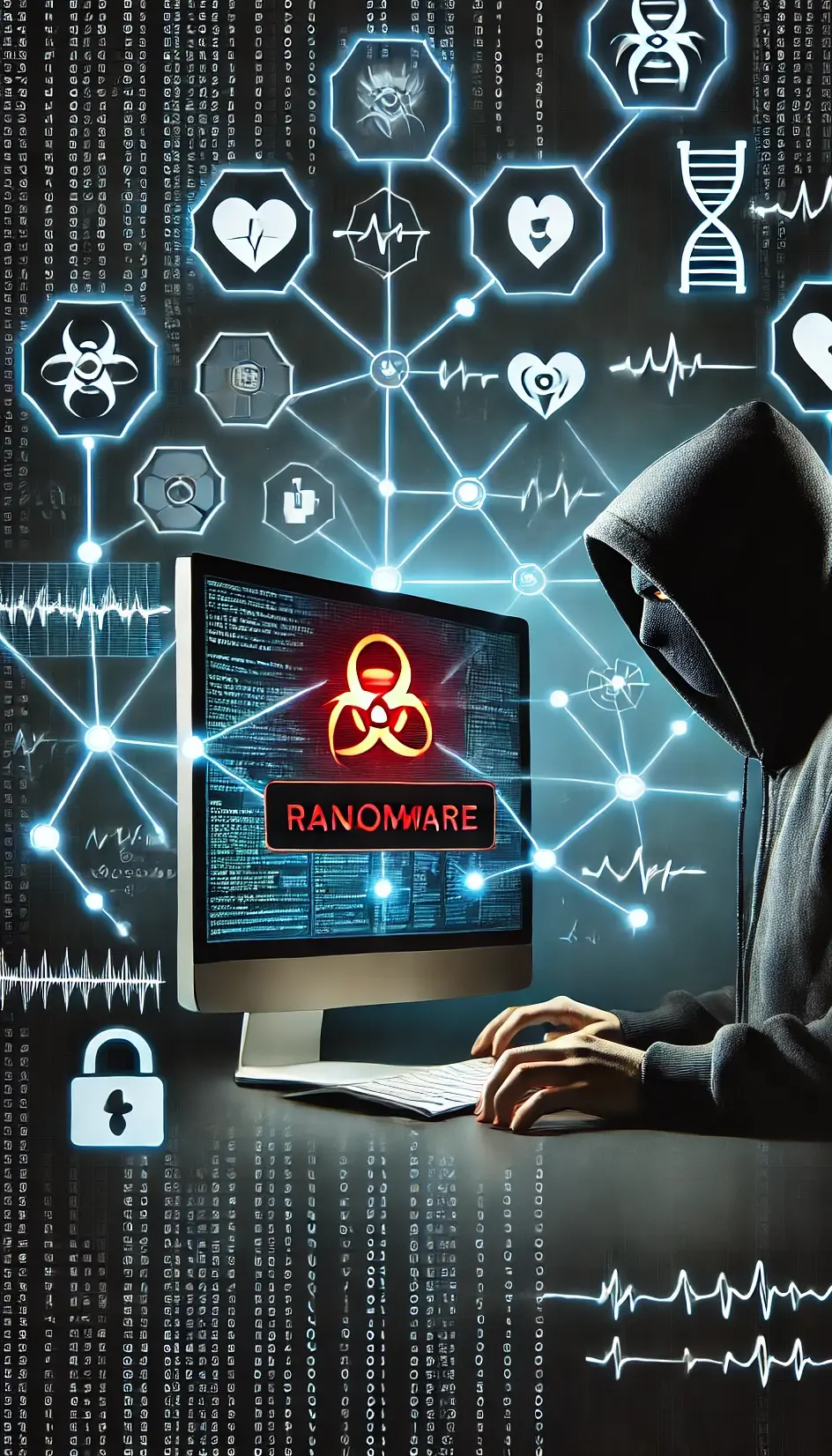
Most of the data breaches are caused by employee carelessness or poor access controls. The breaches are caused by unencrypted USB drives, poorly configured databases, and password management.
- A health technology firm leaked COVID-19 test reports of thousands of people in 2021 because of a poorly configured database.
- Hospital staff selling patients’ records on the dark web have been reported.
Malicious Insider Threats
Upset workers or rogue third-party vendors can break into patient information to make money.
IoT and Medical Device Security Risks
More hospitals are buying IoT-connected medical equipment, including ICU monitors, insulin pumps, and pacemakers. The devices, however, are not properly secured, and thus, vulnerable to being hacked.
Case Study: Global Example
Security researchers back in 2017 showed that pacemakers produced by a top manufacturer were vulnerable to being remotely attacked and could have their heart rhythms modified by an attacker.
Cloud Security Threats
When hospitals moved to cloud-based EHRs, misconfigured cloud databases and poor security settings have resulted in huge patient data breaches.
Third-Party Threats
Healthcare providers subcontract data processing and storage to cloud providers. Patient data is open to cyberattack if the providers are not security compliant.
In order to counter these risks, hospitals need to have robust cybersecurity policies, spend money on advanced security technologies, and educate healthcare workers in cyber hygiene.
Cybersecurity Measures to Protect Patient Data
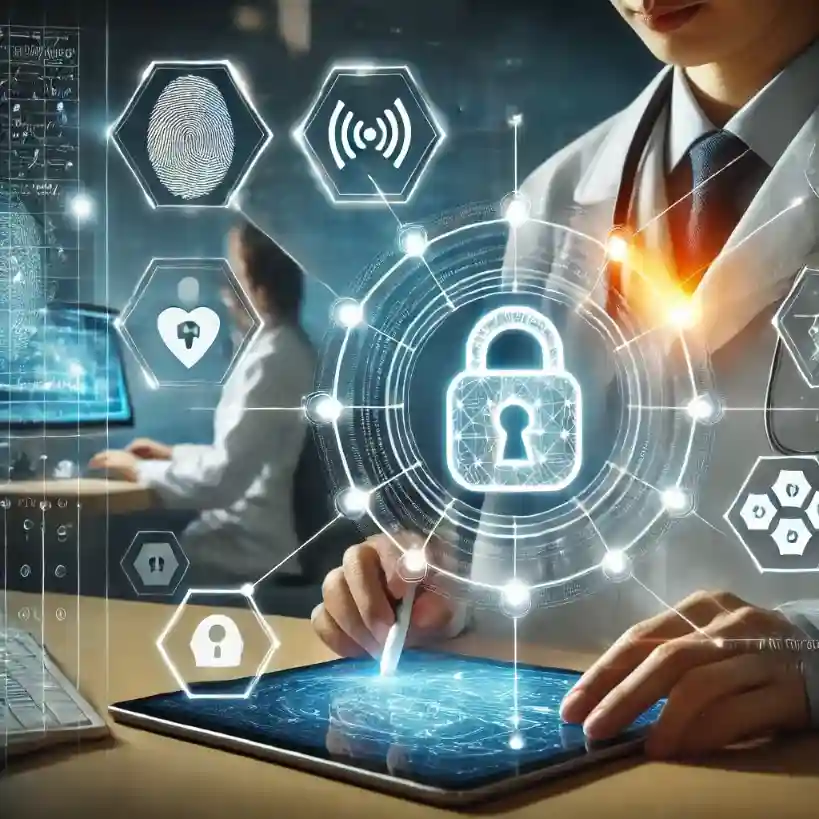
With cyber threats on the rise, Indian healthcare institutions must adopt robust cybersecurity measures to protect sensitive patient data. The following strategies can significantly reduce the risk of cyberattacks and ensure data confidentiality, integrity, and availability.
With cyber threats on the rise, Indian healthcare institutions must adopt robust cybersecurity measures to protect sensitive patient data. The following strategies can significantly reduce the risk of cyberattacks and ensure data confidentiality, integrity, and availability.
Implementing Strong Access Controls
Unauthorised employees viewing patient histories is a central security risk. Hospitals must impose Role-Based Access Control (RBAC), which assigns access entitlements in conformity with work categories (e.g., doctors access entitlements for patient histories but not administrative staff to change clinical data).
Furthermore, Multi-Factor Authentication (MFA) must be implemented for physicians, nurses, and IT personnel. MFA uses a password plus a second factor of authentication, for example, a one-time password (OTP) sent via mobile phone, so that illegal access cannot be obtained even when credentials are stolen.
Data Encryption and Secure Storage
All medical data should be encrypted both in transit and at rest. End-to-end encryption renders patient files unreadable if intercepted by hackers. Hospitals need to use safe cloud storage with regular backups to prevent data loss in case of ransomware attacks.
Employee Training and Awareness
Human mistake is one of the top reasons for cyberattacks. Hospitals must organize periodic cybersecurity training sessions for physicians, nurses, and administrative personnel to educate them:
- To recognize phishing emails and social engineering fraud.
- To recognize suspicious links and attachments in emails.
- To learn best practices for password protection (e.g., use strong passwords and avoid reuse).
Regular Security Audits and Compliance
Hospitals need to perform vulnerability scans and penetration testing to detect and remediate security vulnerabilities. Indian healthcare centers need to adhere to:
- National Digital Health Mission (NDHM) data protection regulations.
- The Personal Data Protection Bill, 2019, which provides guidelines for storing and processing patient data.
AI and Machine Learning for Threat Detection
Artificial Intelligence (AI) and Machine Learning (ML) can have a revolutionary impact on hospital security by:
- Surveillance and detection of network traffic anomalies (e.g., unauthorized login or suspicious data access activity).
- Early detection of ransomware attacks prior to their propagation.
- Utilization of predictive analytics to evaluate cybersecurity threats.
- Healthcare organizations can utilize AI-driven intrusion detection systems (IDS) to analyze threats in real-time and respond accordingly.
Blockchain for Secure Management of Patient Data
Blockchain technology can revolutionize patient data security by rendering the records tamper-proof. Blockchain, since it maintains data in an immutable, decentralized ledger, makes it extremely difficult for anyone to make any changes unauthorized.
In India, blockchain-based digital health records can ensure safe sharing of information among hospitals, insurance companies, and government agencies without affecting the patients’ privacy.
Secure Telemedicine and Remote Healthcare
With telemedicine gaining popularity, online consultation, online prescription, and remote patient monitoring have to be secured. Hospitals have to implement:
- Virtual Private Networks (VPNs) for the encryption of telemedicine sessions.
- End-to-end encrypted communication apps for communication between doctors and patients.
- Secure telehealth platforms complying with Indian data protection regulations.
With the adoption of these cybersecurity practices, India’s healthcare sector can protect patient data, foster trust, and be more cyber threat resilient.
The Future of Cybersecurity in Indian Healthcare
As the Indian health sector gets increasingly digitized, its cybersecurity shall soon become an urgent priority. India’s future of healthcare cybersecurity will be guided by government programs, rising investments, professional expertise, and powerful public-private alliances.
Government Initiatives: Digital Health Mission & Data Protection Legislation
Ayushman Bharat Digital Mission (ABDM) will build a national digital health ecosystem through the linking of hospitals, doctors, and patient records. To ensure data privacy and security, Personal Data Protection (PDP) Bill, 2019, and later the Digital Personal Data Protection (DPDP) Act will lay down stringent guidelines for processing health data. Hospitals and clinics will be required to adopt data encryption measures, access controls, and patient consent policies.
More Investment in Cybersecurity
With rising cyberattacks on Indian hospitals, the healthcare sector is investing more money in cybersecurity technologies, such as:
- AI-powered threat detection for tracking real-time cyber threats.
- Blockchain technology to securely manage patient data.
- Cloud-based security software to avoid illegal access to medical data. There are also start-ups in health-tech security now, which develop innovative products to protect electronic health records (EHRs) and telemedicine platforms.
Greater Demand for Cybersecurity Professionals
The healthcare sector is experiencing increased calls for cybersecurity professionals, such as:
- Ethical hackers to audit hospital networks for vulnerabilities.
- Cybersecurity analysts to scan security threats.
- IT security experts to apply multi-layered security shields in hospitals.
Public-Private Partnerships for Enhanced Security
Cooperation among government departments, private hospitals, cybersecurity companies, and healthcare start-ups is essential while building a cybersecurity resilient framework. Public-private partnership can yield more effective policies, consolidate threat intelligence, and organize nationwide cybersecurity awareness campaigns.
By adopting innovative security methods and fostering a culture of cybersecurity, India can secure its digital healthcare for its future as well as safeguard millions of patients’ data.
Conclusion
With the healthcare industry in India undergoing instant digitalization, it has become highly susceptible to cyber attacks. Ransomware, phishing, data breaches, and IoT attacks are a serious risk for patient information and hospital functioning. The AIIMS Delhi ransomware attack was an eye-opener and brought the necessity of stronger cybersecurity practices to Indian hospitals and clinics into focus.
In order to offer secure medical information, healthcare units must adopt an active response by installing effective access controls, encryption, artificial intelligence (AI) threat detection, and security audits on a regular basis. Government policy programs such as Ayushman Bharat Digital Mission (ABDM) and the Personal Data Protection Bill will be responsible for strengthening security models.
Medical staff, hospital management, and IT personnel must remain up to date with cyber-security best practices and promote improved security policy within their respective organizations. By giving the highest priority to cybersecurity at this time, we can make Indian digital healthcare safer and more secure in the future.
About The Author


