
Table of Contents
Medical Tourism in India: A growing Frontier
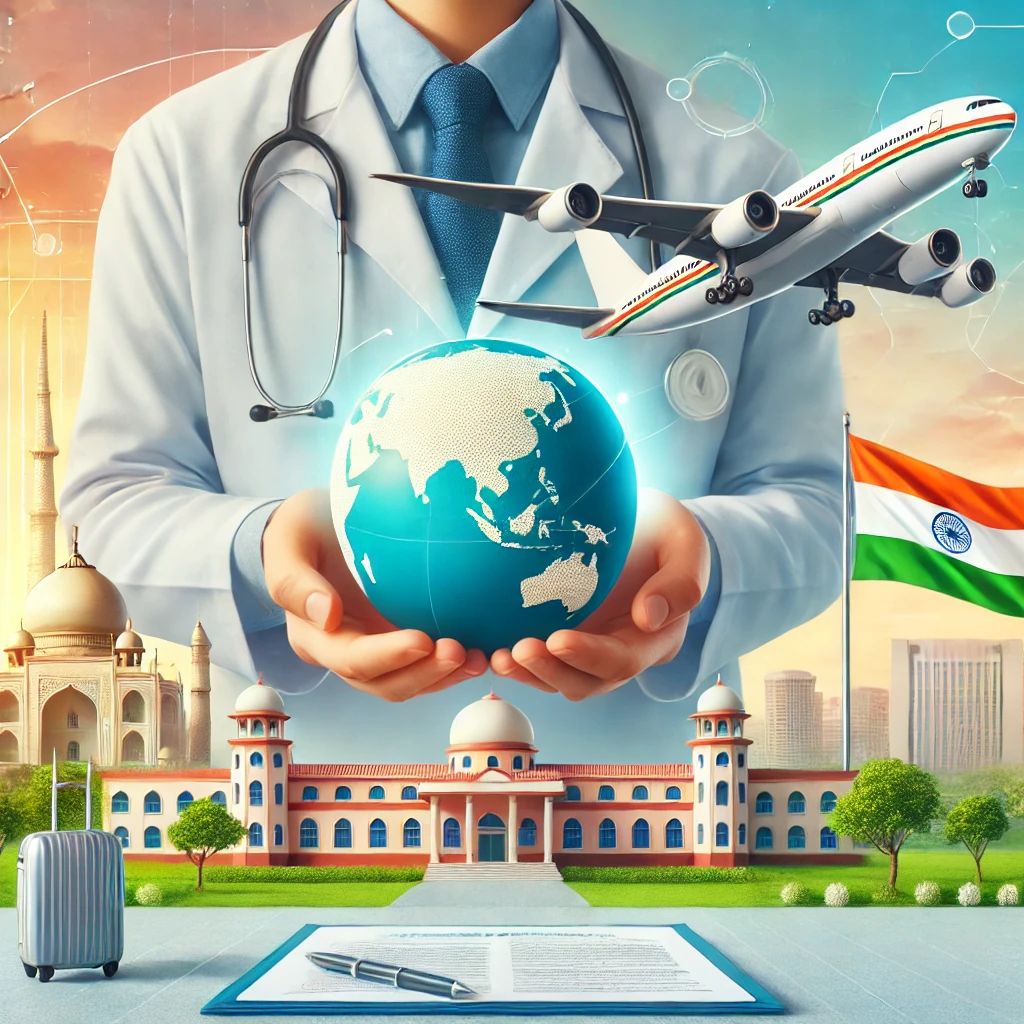
With globalization, enhanced air connectivity, and advancements in medical sciences, medical tourism has seen tremendous growth. India has positioned itself as a leading medical tourism destination, offering high-quality healthcare at a fraction of the cost compared to developed nations. Medical tourism in india not only provides cost-effective treatment but also generates employment, promotes cultural exchange, strengthens India’s soft power, and fosters technological and intellectual growth in the healthcare sector.
The global medical tourism market was valued at approximately $20 billion in 2017 and was projected to grow at a CAGR of 18.8%, surpassing $46.6 billion by 2021 (Orbis Research). India’s medical tourism sector alone was expected to reach $9 billion by 2020, showing a 200% growth (Ministry of Tourism). With continued government support and private sector advancements, this industry is poised for further growth.
Factors Driving the Growth of Medical Tourism in India
Cost-Effectiveness
- Medical tourism in india is gaining as India offers significantly lower costs for various medical procedures. For example, an open-heart surgery that costs around $150,000 in the U.S. can be performed in India for approximately $3,000 to $10,000 in top-tier hospitals.
- The cost of hospitalization in India is 65% to 90% lower compared to developed countries leading to increased medical travel to india.
World-Class Healthcare Facilities
- India boasts several internationally accredited hospitals, with many ranked among the top medical institutions globally.
- Accredited Hospitals: Max Healthcare alone treated over 50,000 foreign patients in 2018, primarily from the Middle East, Central Asia, and Africa.
- Many hospitals are Joint Commission International (JCI) and National Accreditation Board for Hospitals (NABH) certified, ensuring global healthcare standards.
Wide Range of Medical Services
- India attracts medical tourists for treatments such as cardiac surgeries, organ transplants, orthopedic surgeries, cancer care, dental procedures, and cosmetic surgery.
- Cost-effective surgeries in India: Assisted reproductive technologies such as IVF and surrogacy are popular due to lower costs and relatively relaxed regulations.
Traditional and Alternative Medicine (AYUSH)
- India has a well-established alternative medicine system, including Ayurveda, Yoga, Unani, Siddha, and Homeopathy (AYUSH).
- The government actively promotes AYUSH as a preventive and lifestyle-based approach to medicine, attracting international patients seeking holistic healing.
Improved Infrastructure and Air Connectivity
- Major cities like Delhi, Mumbai, Chennai, and Bengaluru have world-class healthcare facilities and excellent air connectivity.
- Medical Visa for India: Government initiatives such as simplified medical visas and e-visas have made it easier for international patients to seek treatment in India.
Challenges in Medical Tourism in India
Accreditation Issues
- While some hospitals in India are JCI accredited, many others lack international accreditation, discouraging foreign patients.
Regulatory and Policy Hurdles
- Policies regarding surrogacy, organ transplants, and insurance need further clarity and ease of implementation to attract more international patients.
Competition from Other Countries
- India faces stiff competition from countries like Thailand, Singapore, and Malaysia, which offer similar services with better marketing strategies.
Infrastructure Gaps
- While private hospitals offer world-class services, public healthcare infrastructure still needs significant improvement to cater to international patients effectively.
Cultural and Language Barriers
- Although India has a large English-speaking medical workforce, language barriers still pose challenges for patients from non-English-speaking countries.
Perception and Safety Concerns
- Reports of fraudulent practices, inadequate post-operative care, and patient exploitation may deter potential medical tourists.
The Role of Rajasthan in Medical Tourism
Rajasthan, known for its rich cultural heritage and tourism, has significant potential to emerge as a medical tourism hub. The state recorded 5.19 crore domestic and international tourists in 2018, with a 21% increase compared to the previous year. Rajasthan offers a unique combination of affordable healthcare in india in medical treatment and scenic tourism, attracting patients who seek both healthcare and leisure.
Opportunities in Rajasthan
- Traditional Healing Systems: Cities like Pushkar and Jodhpur offer Ayurveda and Yoga-based wellness retreats, attracting international tourists.
- Modern Medical Facilities: AIIMS Jodhpur has become a prominent center for advanced medical treatment, particularly for patients from African nations.
- Infrastructure and Connectivity: Cities like Jaipur, Udaipur, Jodhpur, and Bikaner house renowned corporate hospitals.
Challenges in Rajasthan
- Lack of JCI-accredited hospitals: Only the Eternal Heart Care Centre in Jaipur holds JCI accreditation.
- Extreme weather conditions: Harsh summers may discourage medical tourists.
Future Prospects and Recommendations
- Enhancing Accreditation Standards: Encouraging more hospitals to acquire JCI and NABH accreditation will boost international confidence.
- Government Policy Support: Reforms in insurance policies, medical visa for india facilitation, and tax benefits will improve India’s standing in the global medical tourism market.
- Public-Private Partnerships (PPPs): Strengthening collaborations between public and private healthcare providers can improve infrastructure and service quality.
- Marketing and Promotion: Targeted international campaigns highlighting India’s strengths in medical tourism can attract more patients.
- Focus on Digital Health & Telemedicine: Offering remote consultations and post-treatment follow-ups via telemedicine will improve patient experience and trust.
Conclusion
India has immense potential in the medical tourism sector, driven by affordability, quality healthcare, and traditional healing systems. Addressing accreditation, regulatory issues, competition, and infrastructure gaps will further solidify India’s position as a leading global medical tourism destination.
Further Reading.
- “Medical Tourism: The Ethics, Regulation, and Marketing of Health Mobility” – C. Michael Hall
- “Medical Tourism and Wellness: Hospitality Bridging Healthcare (Hospitality, Tourism and Marketing Studies)” – By Frederick J. DeMicco
- “Connell, J. (2013). “Contemporary Medical Tourism: Conceptualization, Culture and Commodification.“ Tourism Management, 34, 1-13.
About The Author


