
Table of Contents
“Nursing is one of the fine arts: I had almost said ‘the finest of fine arts.” —Florence Nightingale, founder of modern nursing
Today, as we celebrate International Nurses Day on May 12, 2025, we honor the compassion, dedication, and professionalism demonstrated by nurses worldwide. This date, chosen to commemorate the birth anniversary of Florence Nightingale, serves as a powerful reminder of the indispensable role nurses play in our healthcare systems and communities. In a world constantly challenged by evolving health concerns, nurses continue to stand as unwavering pillars of care, advocacy, and healing.
The Evolution of Nursing: From Nightingale to Modern Practice.
The nursing profession has traversed a remarkable journey since Florence Nightingale pioneered modern nursing during the Crimean War. What began as basic care for wounded soldiers has evolved into a sophisticated discipline that seamlessly blends scientific knowledge, technical expertise, and compassionate care. Today’s nurses are educated professionals who practice across diverse settings, from bustling emergency departments to quiet homes in remote communities.
Nursing has continuously adapted to meet societal needs. The COVID-19 pandemic dramatically highlighted this adaptability, as nurses rapidly learned new protocols, worked under unprecedented pressure, and managed complex cases with limited resources. When healthcare systems worldwide were strained to their limits, nurses demonstrated extraordinary resilience and innovation.
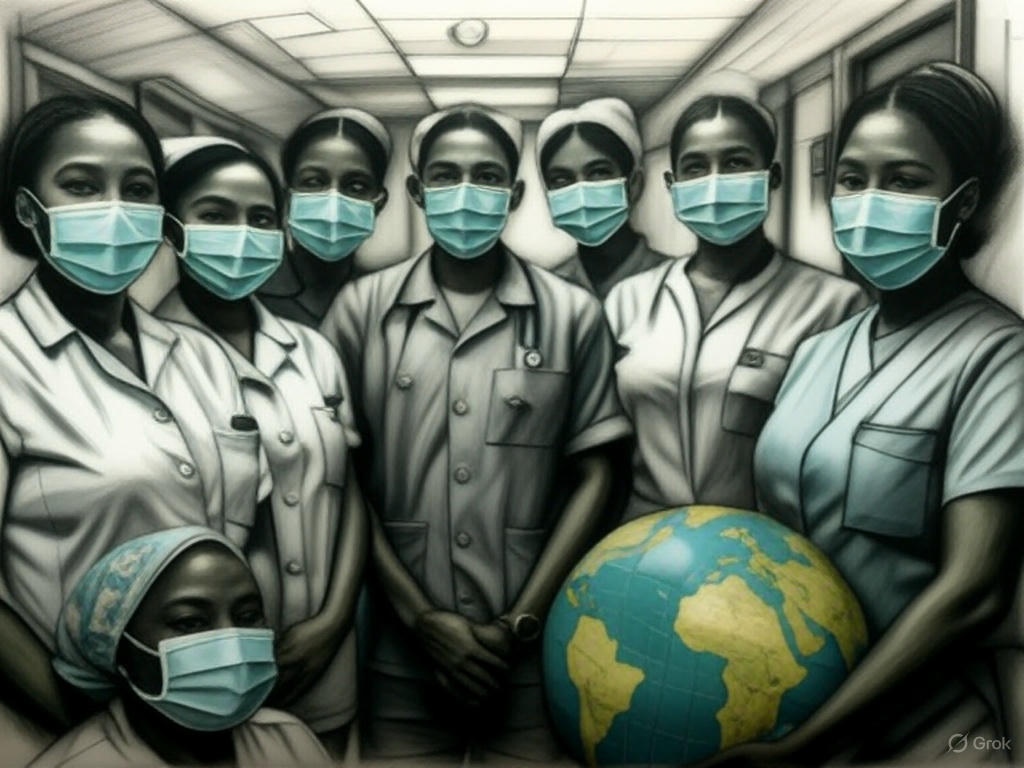
The Multifaceted Role of Modern Nurses.
The contemporary nurse’s role extends far beyond the traditional image of someone who simply assists doctors and administers medications. Today’s nurses:
- Clinical Experts
Modern nurses possess specialized knowledge in various medical fields. Nurse practitioners diagnose conditions, prescribe medications, and manage treatment plans with increasing autonomy. Critical care nurses monitor and respond to complex physiological changes in real-time, often making split-second decisions that save lives.
Sarah Chen, an ICU nurse at Massachusetts General Hospital, recounts: “During the height of the pandemic, we often had to make instantaneous decisions about patient care when their oxygen levels would suddenly drop. Our clinical expertise allowed us to detect subtle changes and intervene before the situation became critical. It’s not just about following protocols—it’s about understanding the science behind each intervention and adapting it to individual patient needs.”
- Patient Advocates
Nurses frequently serve as the primary voice for patients in complex healthcare systems. They translate medical jargon, clarify treatment options, and ensure patient preferences are respected. This advocacy role becomes particularly crucial for vulnerable populations who may struggle to navigate healthcare systems.
- Health Educators
Prevention and health promotion form essential components of nursing practice. Nurses educate communities about disease prevention, healthy lifestyle choices, and self-management of chronic conditions. Their guidance empowers individuals to take control of their own health and reduces healthcare costs associated with preventable illnesses.
- Researchers and Innovators
Nurse-led research continually enhances patient care by identifying best practices and developing evidence-based interventions. Nurses at the bedside often devise practical solutions to everyday challenges, improving efficiency and patient comfort.
Dr. James Mwangi, a nurse researcher at the University of Cape Town, has developed a mobile application that helps community health workers in rural areas maintain consistent communication with supervising clinicians. “Our work in developing this technology came directly from my experiences as a rural nurse,” he explains. “I saw firsthand how isolation affected care quality, and I wanted to create something that bridged that gap.”
- Leaders and Policy Shapers
Increasingly, nurses occupy leadership positions in healthcare organizations and contribute significantly to health policy development. Their frontline experiences provide unique insights into healthcare challenges and potential solutions, making their perspectives invaluable in decision-making processes.
The Global Impact of Nursing.
The World Health Organization recognizes nursing as the backbone of healthcare systems globally. With approximately 28 million nurses worldwide, they constitute the largest healthcare professional group. Yet, the global nursing workforce faces critical challenges, including:
- Severe shortages, with an estimated global deficit of 5.9 million nurses
- Uneven distribution, leaving vulnerable communities underserved
- Insufficient investment in nursing education and professional development
- Inadequate working conditions and compensation in many regions
Despite these challenges, the impact of nursing on global health outcomes remains profound. In communities with adequate nursing resources, we see improved maternal and child health outcomes, better management of chronic diseases, and more effective responses to health emergencies.
Real-Life Heroes: Nursing on the Frontlines.
The true essence of nursing is perhaps best captured through the stories of individual nurses whose dedication transforms lives daily.
Consider Maria Gonzalez, a community health nurse working in underserved neighborhoods of Chicago. For fifteen years, she has provided prenatal care to immigrant women who might otherwise receive no healthcare during pregnancy. Her clinic has documented significantly lower rates of pregnancy complications and improved infant health outcomes compared to similar demographic groups without access to such services.
“Many of my patients face language barriers, financial constraints, and fear of the healthcare system,” Maria shares. “By meeting them in their communities and building trust, we’ve been able to ensure healthier pregnancies and births. Sometimes it’s as simple as explaining how to access resources they’re already entitled to, or teaching nutrition strategies using affordable, culturally familiar foods.”
In rural Kenya, nurse practitioner Thomas Odhiambo travels between remote villages providing primary care to communities that would otherwise have no access to healthcare. Using minimal equipment and relying heavily on his clinical assessment skills, Thomas manages chronic conditions, treats acute illnesses, and coordinates emergency transfers when necessary.
“I might be the only healthcare professional someone sees all year,” Thomas explains. “This responsibility drives me to continuously improve my knowledge and skills. When I successfully treat a child with malaria or help an elderly patient better manage their hypertension with limited resources, I’m reminded of why I chose this profession.”
During natural disasters, nurses often remain at the forefront of response efforts. When Hurricane Elena devastated coastal communities in 2023, nurse Rebecca Johnson stayed at her hospital for five consecutive days, sleeping only in brief intervals. As floodwaters rose and power failed, she manually ventilated patients when backup generators couldn’t support all equipment.
“In those moments, you don’t think about yourself,” Rebecca recalls. “You focus entirely on keeping patients alive until help arrives. The training kicks in, and you do whatever it takes.”
Challenges Facing Modern Nursing.
Despite their vital contributions, nurses worldwide confront significant challenges that threaten both the profession and the quality of healthcare:
- Burnout and Compassion Fatigue
Extended shifts, high patient loads, emotional strain, and administrative burdens contribute to alarming rates of burnout among nurses. The COVID-19 pandemic intensified these issues, with studies indicating that up to 40% of nurses exhibited symptoms of burnout during peak periods.
- Violence and Harassment
Nurses face disproportionate rates of workplace violence and harassment. According to the American Nurses Association, one in four nurses has been physically assaulted on the job, yet many incidents go unreported due to perceived normalization of such behavior or fear of retaliation.
- Gender and Pay Disparities
Though men are increasingly entering the profession, nursing remains predominantly female, with associated gender-based pay gaps and undervaluation of the profession’s complexity and demands.
- Technological Adaptation
While technological advancements improve many aspects of healthcare, they also require nurses to continuously update their skills and adapt to rapidly changing systems, often with inadequate training support.
Strengthening Nursing for the Future.
Addressing these challenges requires coordinated efforts from healthcare institutions, policymakers, and society at large. Key strategies include:
- Improved Working Conditions: Implementing safe staffing ratios, reasonable shift lengths, and comprehensive support systems to prevent burnout and promote retention.
- Investment in Education: Expanding access to quality nursing education, creating clear career advancement pathways, and supporting continuing education initiatives.
- Recognition and Compensation: Ensuring nurses receive compensation commensurate with their expertise, responsibility, and contribution to health outcomes.
- Leadership Development: Creating opportunities for nurses to assume leadership roles at all levels of healthcare systems and policy development.
- Public Education: Enhancing public understanding of nursing’s complexity and value to counter outdated stereotypes and build respect for the profession.
Conclusion: A Tribute to Nursing Excellence.
As we mark International Nurses Day 2025, we recognize that the value of nursing extends far beyond clinical care. Nurses embody the human connection in healthcare—the hand that provides comfort, the voice that offers reassurance, and the presence that alleviates suffering.
The COVID-19 pandemic brought unprecedented visibility to nurses’ essential role, as they worked tirelessly under extraordinary pressure to save lives and provide dignity in death when cures were not possible. This crisis revealed what has always been true: nurses are not simply healthcare workers; they are the heart of healthcare.
To every nurse who has ever worked through exhaustion to ensure a patient’s comfort, who has advocated fiercely for those without a voice, who has educated families to continue care beyond hospital walls, and who has innovated solutions to seemingly insurmountable problems—we salute you. Your compassion, expertise, and unwavering commitment improve and save lives daily, often without recognition or fanfare.
On this International Nurses Day, let us commit to supporting our nurses through meaningful policy changes, institutional improvements, and a renewed societal appreciation for the profound impact of nursing care. For in strengthening the nursing profession, we ultimately strengthen healthcare for all.
References.
- World Health Organization. (2024). State of the World’s Nursing 2024. Geneva: WHO.
- American Nurses Association. (2023). Nursing by the Numbers: Workforce Trends and Health Outcomes. Silver Spring, MD: ANA.
- International Council of Nurses. (2024). Global Nursing Leadership: Shaping Health Policy and Systems. Geneva: ICN.
- Institute of Medicine. (2023). The Future of Nursing 2030: Charting a Path to Health Equity. Washington, DC: National Academies Press.
- Aiken, L. H., Sloane, D. M., & McHugh, M. D. (2023). Hospital nurse staffing and patient outcomes. The Lancet, 401(10322), 1831-1842.
About The Author


